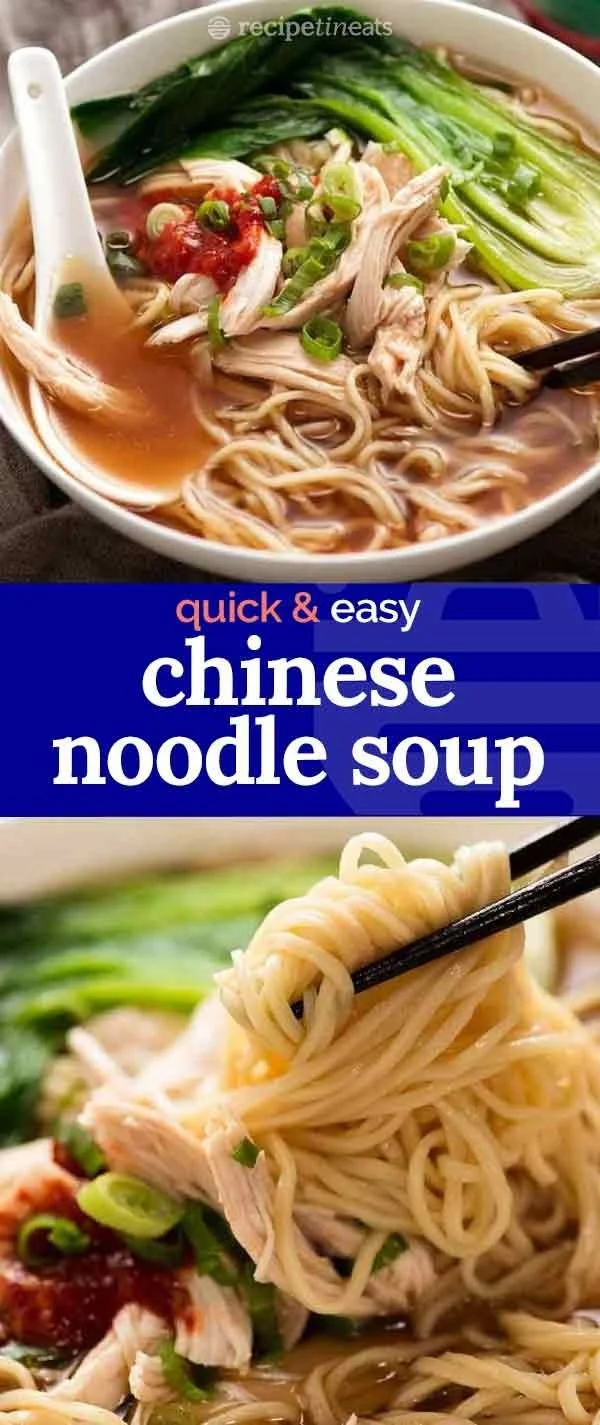
Chinese Noodle Soup is a comforting, fulfilling dish that’s perfect for any occasion. This recipe brings together vibrant vegetables, your choice of protein, and tender noodles in a flavorful broth, making it a nourishing meal the whole family will love. It’s not only simple to prepare, but it also invites customization, allowing you to tweak ingredients to suit your taste.
Why You’ll Love Chinese Noodle Soup
- Quick and Easy: This dish comes together in about 30 minutes, making it perfect for busy weeknights or a last-minute meal.
- Versatile: You can easily adapt it using whatever protein and vegetables you have on hand, ensuring it suits your preferences or what’s available in your fridge.
- Comforting and Satisfying: The warm broth, combined with savory ingredients, offers a cozy feeling, especially on cooler days.
- Healthy Option: Packed with fresh vegetables and lean protein, this soup provides nutrition without sacrificing flavor.
- Budget-Friendly: Most ingredients are affordable and accessible, making this a great choice for meal prep on a budget.
Recipe Overview
- Prep Time: 10 minutes
- Cook Time: 20 minutes
- Total Time: 30 minutes
- Servings: 4
- Difficulty Level: Easy
Ingredients You’ll Need for Chinese Noodle Soup
- Noodles: 8 oz. of your choice (such as egg noodles, rice noodles, or soba noodles)
- Vegetables: 1 cup of mixed vegetables (bok choy, carrots, bell peppers, or broccoli)
- Protein: 1 cup of protein (sliced chicken breast, tofu, or shrimp)
- Broth: 4 cups of vegetable or chicken broth
- Flavorings: 2 tablespoons soy sauce, 1 teaspoon grated ginger, 3 cloves garlic (minced)
- Garnish: Sliced spring onions for garnish

How to Make Chinese Noodle Soup
-
Cook the Noodles
Cook the noodles according to the package instructions. Drain and set aside. This ensures the noodles are perfectly tender and ready for the soup. -
Heat the Broth
In a large pot, heat the broth over medium heat. Allow it to warm up, but don’t let it boil vigorously at this stage. -
Add Aromatics
Stir in the grated ginger and minced garlic into the heated broth. Cook for 1-2 minutes until fragrant, which enhances the overall flavor of your soup. -
Incorporate Vegetables and Protein
Add your choice of protein and vegetables to the pot. Cook for about 5-7 minutes, or until the protein is fully cooked and the vegetables are tender yet still crisp. -
Combine with Noodles
Gently stir in the cooked noodles. Allow everything to heat through for another 2-3 minutes, ensuring the noodles absorb some of the delicious broth. -
Serve
Ladle the soup into bowls and garnish with sliced spring onions. Enjoy your homemade Chinese Noodle Soup hot!
Tips for Success
- Don’t Overcook the Vegetables: To maintain their vibrant color and crunch, add them to the broth only until they are tender but not mushy.
- Flavor Boost: Adjust the soy sauce according to taste; it can be salty, so start with less if you prefer a milder flavor.
- Protein Alternatives: If using tofu, opt for firm or extra-firm tofu to ensure it holds its shape when cooked.
- Fresh Ingredients: Fresh garlic and ginger make a noticeable difference in flavor; avoid bottled options if possible.
- Broth Options: For a richer flavor, consider using homemade broth or adding a splash of sesame oil just before serving.
Easy Variations
- Spicy Version: Add chili paste or red pepper flakes for a kick.
- Different Proteins: Swap out the chicken for beef, or use a mix of proteins for complexity.
- Vegan Option: Use vegetable broth and tofu as your protein; load on extra veggies for texture.
- Thick Soup: For a creamier soup, add a splash of coconut milk or a dollop of miso paste.
- Noodle Swap: Try using udon or rice noodles for a unique texture.
What to Serve with Chinese Noodle Soup
- Spring Rolls: These crispy snacks complement the soup’s warmth while adding a fun crunch.
- Steamed Dumplings: A savory addition that adds another layer of flavor and texture to the meal.
- Asian Salad: A light, crisp salad balances the warmth of the soup, providing a refreshing contrast.
- Pickled Vegetables: Their tanginess can brighten the meal and offers a delightful crunch.
- Crackers or Breads: Serve some crackers on the side for a satisfying nibble with your soup.
Storage and Reheating
- Refrigerator Storage: Store leftover soup in an airtight container in the refrigerator for up to 3 days.
- Freezer Storage: For longer storage, freeze the soup (without noodles) for up to 2 months. Add freshly cooked noodles when reheating.
- Reheating: Reheat on the stovetop over medium heat, adding a splash of broth or water if it thickens too much.
- Preserving Textures: To keep veggies crisp when reheating, add them to the broth shortly before serving.
Common Mistakes to Avoid
- Overcooking Noodles: This can lead to mushy noodles that soak up too much broth. Drain them as soon as they’re tender.
- Using Too Much Soy Sauce: Start with less; you can always add more to taste.
- Neglecting to Taste: Always taste your broth during cooking to adjust flavors as needed, especially saltiness.
- Skipping the Garnish: Fresh herbs or spring onions can enhance flavors significantly, adding freshness to each bite.
- Not Prepping Ingredients: Save time by prepping all ingredients before cooking; this ensures a smoother cooking process.
Chinese Noodle Soup: Background & Cultural Inspiration
Chinese Noodle Soup represents a traditional comfort food in many Asian cultures, combining simple ingredients with deep, satisfying flavors. Noodles symbolize longevity and are often served at celebrations. Utilizing local vegetables and proteins, this dish embodies the ‘farm to table’ philosophy prevalent in Asian cooking, emphasizing fresh, seasonal ingredients.
Frequently Asked Questions
Can I use gluten-free noodles?
Yes, gluten-free noodles, like rice noodles or quinoa noodles, work well in this recipe. Just adjust the cooking time as needed.
How can I make it heartier?
You can add more protein, like chicken or shrimp, and increase the amount of noodles for a filling meal.
Can I prepare this soup in advance?
Yes, you can prepare the broth and chop all ingredients in advance. Just cook the noodles and add them just before serving for best texture.
What if I don’t like certain vegetables?
You can swap out any vegetables for ones you prefer or have on hand, such as zucchini, snap peas, or spinach.
How do I store leftovers?
Keep leftovers in an airtight container in the fridge for about three days. Freezing is an option, but it’s best to freeze the broth separately from the noodles and veggies.
Final Thoughts
Chinese Noodle Soup is an easy, customizable dish that delivers on flavor and comfort. With its simplicity and versatility, it’s perfect for a weeknight dinner or a cozy weekend meal. Give this recipe a try, and you’ll find it’s not just quick to make but also deeply satisfying. Enjoy making this classic dish that brings warmth and joy to your table!
PrintChinese Noodle Soup
A comforting and customizable soup filled with noodles, vegetables, and protein in a flavorful broth.
- Prep Time: 10 minutes
- Cook Time: 20 minutes
- Total Time: 30 minutes
- Yield: 4 servings
- Category: Soup
- Method: Stovetop
- Cuisine: Chinese
- Diet: can be made vegan, Vegetarian
Ingredients
- 8 oz. noodles (egg noodles, rice noodles, or soba noodles)
- 1 cup mixed vegetables (bok choy, carrots, bell peppers, or broccoli)
- 1 cup protein (sliced chicken breast, tofu, or shrimp)
- 4 cups vegetable or chicken broth
- 2 tablespoons soy sauce
- 1 teaspoon grated ginger
- 3 cloves garlic (minced)
- Sliced spring onions for garnish
Instructions
- Cook the noodles according to the package instructions. Drain and set aside.
- Heat the broth in a large pot over medium heat, ensuring it doesn’t boil vigorously.
- Add the grated ginger and minced garlic to the heated broth. Cook for 1-2 minutes until fragrant.
- Incorporate your choice of protein and vegetables into the pot. Cook for about 5-7 minutes until the protein is fully cooked and vegetables are tender.
- Combine the cooked noodles with the soup, allowing everything to heat through for another 2-3 minutes.
- Serve the soup in bowls garnished with sliced spring onions.
Notes
Maintain vibrant color and texture by not overcooking the vegetables. Adjust soy sauce to taste and use fresh ginger and garlic for the best flavor.